A Guide to Regenerative Farming: Sustainable Practices for Nigerian Farmers


Regenerative farming is gaining momentum as an essential approach to sustainable agriculture, particularly in regions like Nigeria where soil health and productivity are crucial. By focusing on renewal and revitalization, regenerative farming not only enhances the land but also supports the livelihoods of farmers.
Understanding Regenerative Farming
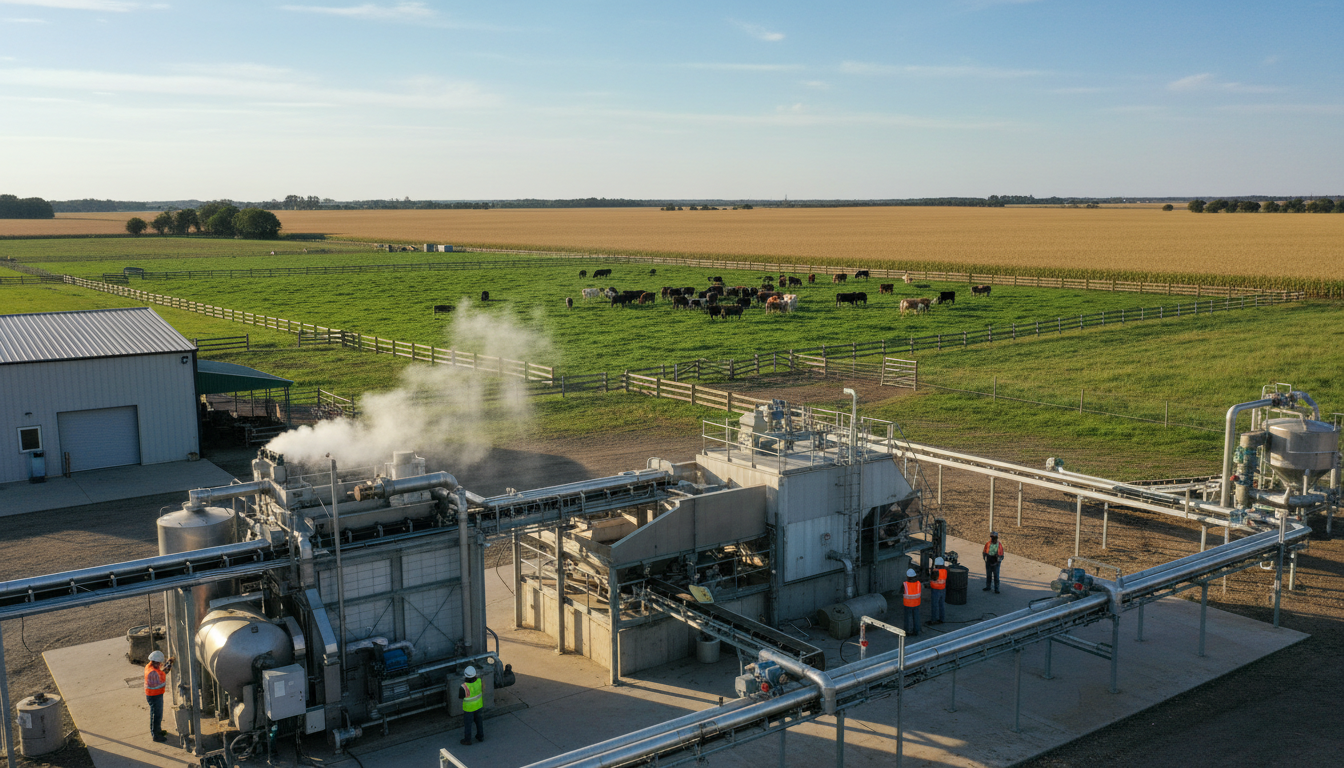
Regenerative farming goes beyond traditional methods by prioritizing the regeneration of topsoil, increasing biodiversity, and improving the water cycle. These practices are designed to work in harmony with nature, making farming more sustainable and resilient to climate change.
This approach is particularly beneficial for Nigerian farmers, as it addresses challenges such as soil degradation and unpredictable weather patterns. By adopting regenerative practices, farmers can increase their yields and improve the quality of their produce.
Key Principles of Regenerative Farming
There are several core principles that guide regenerative farming:
- Soil Health: Maintaining healthy soil is fundamental. Practices like cover cropping and reduced tillage help preserve soil structure and fertility.
- Biodiversity: Incorporating a variety of crops and livestock fosters a balanced ecosystem, which can reduce pest problems and enhance productivity.
- Water Management: Efficient water use and conservation techniques, such as rainwater harvesting, are critical in areas prone to drought.
Implementing Regenerative Practices in Nigeria
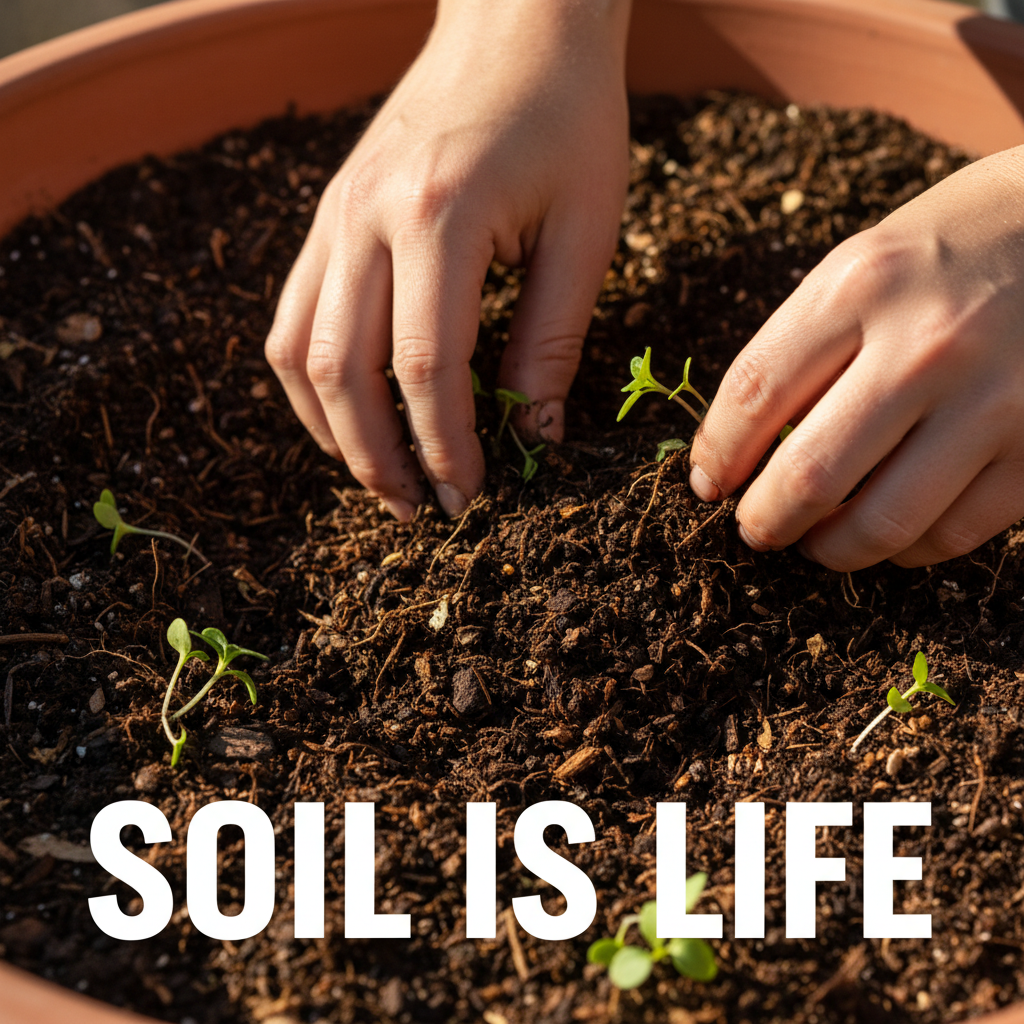
Nigerian farmers can start small by integrating these practices into their existing systems. For example, rotating crops and using organic fertilizers can improve soil health gradually. Additionally, integrating agroforestry—combining trees with crops—can provide shade, improve soil structure, and enhance biodiversity.
Community involvement is also vital. By working together, farmers can share resources, knowledge, and support, making the transition to regenerative methods more accessible and effective.
The Benefits of Regenerative Farming
The advantages of regenerative farming are manifold. Not only does it lead to healthier soils and increased yields, but it also reduces dependency on chemical fertilizers and pesticides, lowering costs and environmental impact. Furthermore, it enhances resilience against climate change, ensuring food security for the future.

With Nigeria's agricultural sector being a significant part of its economy, embracing regenerative farming can pave the way for a more sustainable and prosperous future. By adopting these practices, farmers are not only investing in their land but also in the well-being of their communities and generations to come.
In conclusion, regenerative farming offers a promising path to sustainable agriculture in Nigeria. By focusing on restoring and revitalizing the land, farmers can improve productivity while protecting the environment, ensuring a thriving agricultural landscape for years to come.