
Regenerative Farming: A Sustainable Future for Nigerian Agriculture


Introduction to Regenerative Farming
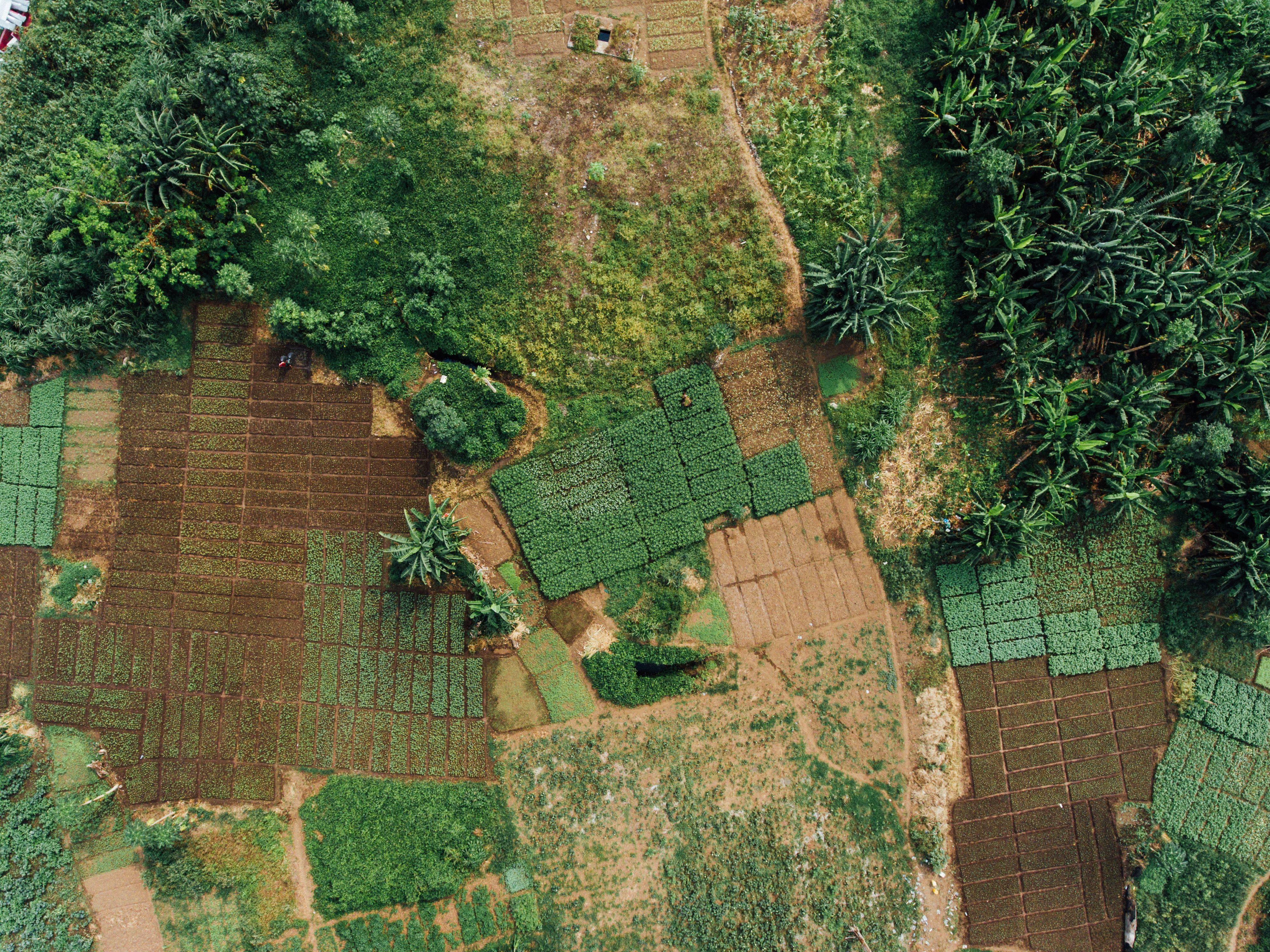
Regenerative farming is gaining traction worldwide as an innovative approach to agriculture, and Nigeria is no exception. This method focuses on restoring soil health, increasing biodiversity, and improving the water cycle, ultimately leading to more sustainable farming practices. As Nigerian farmers face challenges such as soil degradation and climate change, regenerative farming offers a promising solution.
Unlike conventional farming, which often depletes soil nutrients, regenerative farming aims to build them. By focusing on soil health, farmers can increase crop yields and improve the resilience of their farming systems. This approach not only benefits the environment but also supports economic growth.
The Principles of Regenerative Farming
Regenerative farming is built on several core principles that guide its practices. Understanding these principles is essential for farmers looking to transition from conventional methods.
Soil Health and Biodiversity
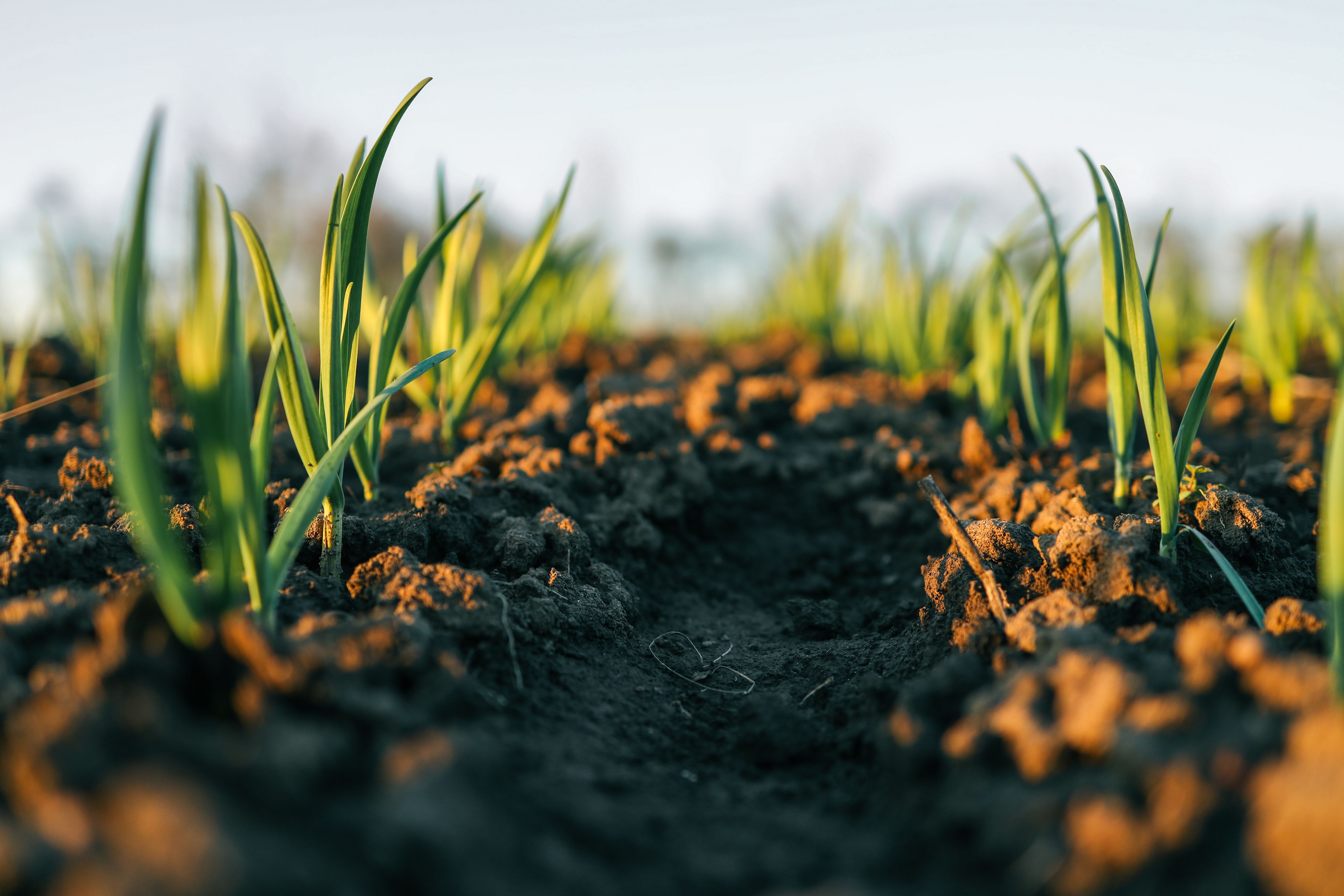
Maintaining and improving soil health is at the heart of regenerative farming. Techniques such as cover cropping, crop rotation, and reduced tillage help enhance soil structure and fertility. These practices also promote biodiversity, which is vital for a balanced ecosystem.
Water Management
Effective water management is crucial in regenerative farming, especially in regions like Nigeria where water scarcity can be a significant issue. Practices such as rainwater harvesting and the use of swales help retain water in the landscape, ensuring crops have the moisture they need to thrive.
Benefits for Nigerian Farmers
Embracing regenerative farming offers numerous benefits for Nigerian farmers. By implementing these practices, farmers can improve their land's productivity and resilience, leading to increased food security and economic stability.
- Increased Crop Yields: Healthier soils lead to more robust crop growth.
- Cost Savings: Reduced need for chemical fertilizers and pesticides.
- Climate Resilience: Enhanced ability to withstand adverse weather conditions.

Challenges and Opportunities
While regenerative farming presents many opportunities, there are also challenges to its widespread adoption in Nigeria. One of the primary obstacles is the need for education and training. Farmers must learn new techniques and understand the principles of regenerative farming to implement it successfully.
However, with government support and collaboration with agricultural organizations, these challenges can be overcome. Providing resources and incentives for farmers to transition to regenerative practices can accelerate the adoption process and maximize the benefits.
Conclusion
Regenerative farming represents a sustainable future for Nigerian agriculture. By focusing on restoring soil health and enhancing biodiversity, this approach offers solutions to many pressing agricultural challenges. As more Nigerian farmers adopt regenerative practices, the potential for increased productivity, environmental health, and economic growth becomes increasingly attainable.