Regenerative Farming Training: Transforming Agriculture in Abuja


Understanding Regenerative Farming
Regenerative farming is a holistic approach to agriculture that focuses on enhancing the health and vitality of farm ecosystems. By prioritizing soil health, biodiversity, and ecosystem function, regenerative farming aims to restore and improve the land rather than deplete it. This method is gaining traction in Abuja, where farmers are increasingly recognizing its potential to transform agriculture.

In contrast to conventional farming practices, regenerative farming emphasizes minimal soil disturbance, cover cropping, and diverse crop rotations. These practices work together to improve soil structure, increase water retention, and enhance nutrient cycling, ultimately leading to more resilient and productive farms.
The Benefits of Regenerative Farming
Implementing regenerative farming practices offers numerous benefits. **Improved soil health** is one of the most significant advantages, as healthy soil is the foundation of any successful farm. By enhancing soil organic matter and microbial activity, farmers can increase crop yields and reduce dependency on chemical inputs.
Another key benefit is **environmental sustainability**. By focusing on natural processes, regenerative farming helps reduce greenhouse gas emissions, improve water quality, and promote biodiversity. This not only benefits the environment but also contributes to the long-term viability of farms in the region.

Economic Opportunities for Farmers
Regenerative farming also presents economic opportunities for farmers in Abuja. By reducing reliance on expensive chemical fertilizers and pesticides, farmers can lower input costs. Additionally, healthier soils and ecosystems can lead to increased yields and more diverse income streams, such as agroforestry and organic produce.
As consumer demand for sustainably produced food continues to rise, farmers who adopt regenerative practices may find new market opportunities and premium prices for their products. This shift not only benefits farmers but also supports the broader community by providing healthier food options.
Training and Education in Abuja
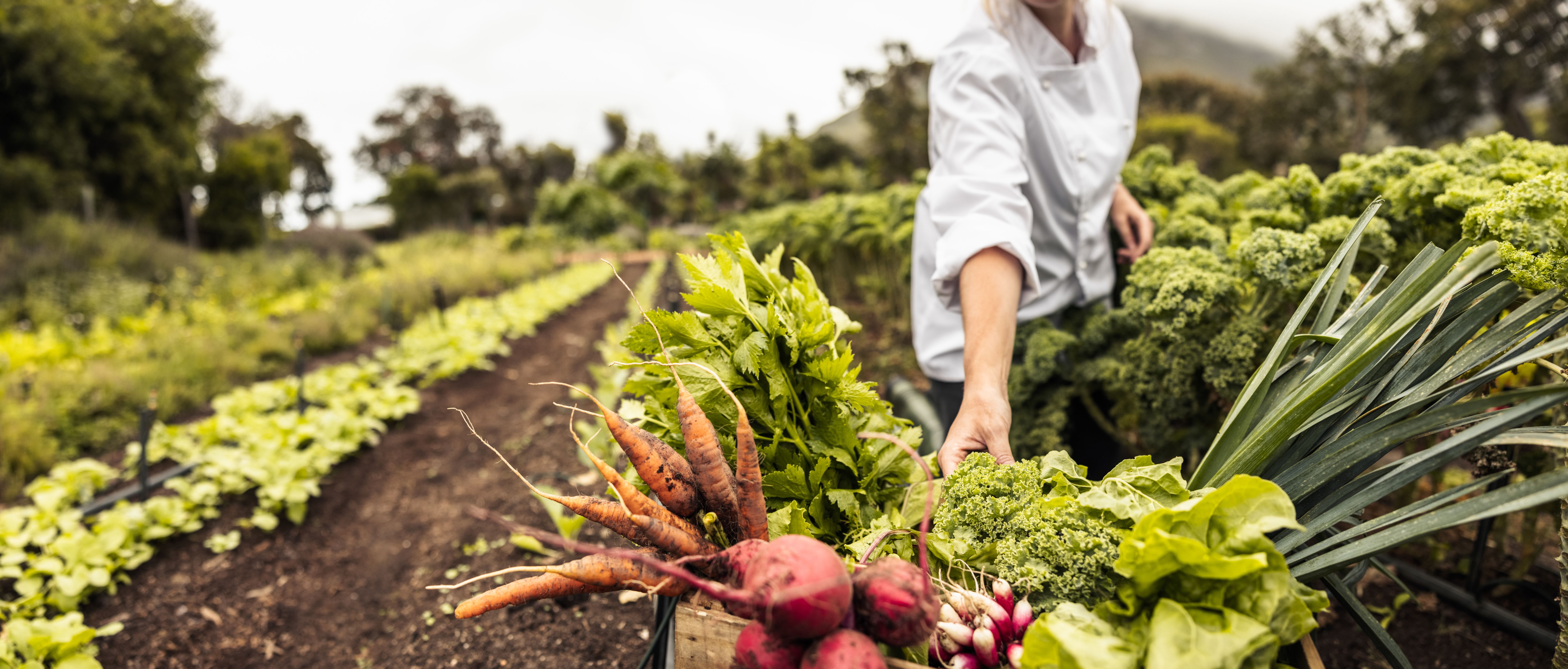
To support the transition to regenerative farming, various training programs have been established in Abuja. These programs aim to equip farmers with the knowledge and skills necessary to implement regenerative practices effectively. Topics covered include soil health management, crop diversification, and integrated pest management.
Workshops and field demonstrations are also an essential part of these training programs, allowing farmers to see firsthand how regenerative practices can be applied on their farms. By fostering a community of practice, these initiatives help farmers learn from each other's experiences and successes.
Collaboration and Support
Collaboration is a crucial component of successful regenerative farming in Abuja. Farmers, researchers, and policymakers are working together to share knowledge and resources. This collaborative approach ensures that regenerative practices are adapted to local conditions and challenges, maximizing their effectiveness.
Support from government and non-governmental organizations is also vital. By providing funding, technical assistance, and policy support, these entities can help create an enabling environment for regenerative farming to thrive.
The Future of Agriculture in Abuja
As regenerative farming continues to gain momentum, it holds the potential to transform agriculture in Abuja. By prioritizing soil health, environmental sustainability, and economic resilience, this approach can lead to a more sustainable and prosperous future for farmers and the broader community.
With ongoing training and support, farmers in Abuja are well-positioned to lead the way in regenerative agriculture, showcasing its benefits and inspiring others to follow suit. The journey towards a more sustainable agricultural future is underway, and regenerative farming is at the heart of this transformation.