The Rise of Greenhouse Ventures in Nigeria: A Sustainable Farming Future

Introduction to Greenhouse Ventures
In recent years, greenhouse farming has become a pivotal element in Nigeria's agricultural landscape. As the nation seeks sustainable methods to boost food production, greenhouse ventures are proving to be an effective solution. This innovative approach not only enhances yield but also mitigates environmental challenges associated with traditional farming.
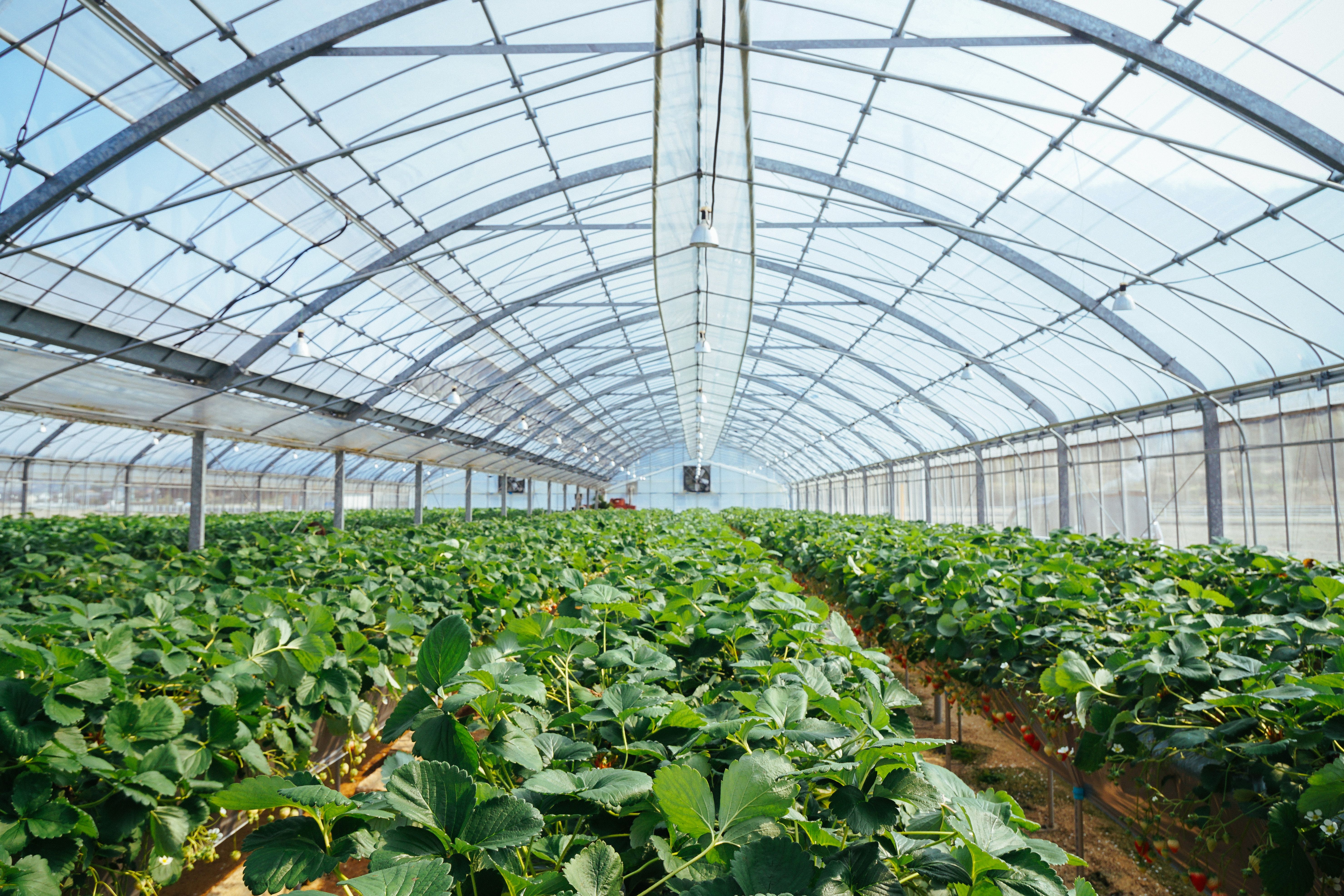
Greenhouses allow farmers to control environmental conditions, ensuring optimal growth for a variety of crops. With increasing awareness and investment, more Nigerian farmers are adopting this technology, paving the way for a more resilient agricultural sector.
Why Greenhouse Farming?
The unpredictable climate patterns in Nigeria make traditional farming a risky endeavor. Greenhouses offer a controlled environment where temperature, humidity, and light can be regulated. This control minimizes the risks posed by extreme weather and pests, which are common challenges in open-field farming.
Moreover, greenhouse farming is resource-efficient. It reduces water usage through drip irrigation systems and minimizes the need for chemical fertilizers and pesticides, making it an eco-friendly option. This method aligns with global sustainability goals, making it an attractive venture for both local and international investors.
Economic Benefits
Beyond environmental advantages, greenhouse farming presents significant economic benefits. It allows for the cultivation of high-value crops like tomatoes, peppers, and cucumbers, which can be grown year-round. This continuous supply meets local demand and opens opportunities for export, boosting farmers' incomes.

Challenges and Solutions
Despite its promise, the expansion of greenhouse farming in Nigeria faces challenges. High initial setup costs can be a barrier for small-scale farmers. However, government initiatives and partnerships with private organizations are providing financial support and training to overcome this hurdle.
Another challenge is the lack of technical expertise. To address this, various agricultural institutions are offering training programs, helping farmers understand greenhouse technology and best practices.
Success Stories
Nigeria is witnessing inspiring success stories in greenhouse farming. For instance, several cooperatives have formed, pooling resources to establish community greenhouses. These projects not only increase food production but also create job opportunities and empower local communities.
The Future of Greenhouse Ventures
The future of greenhouse farming in Nigeria looks promising. With ongoing advancements in technology, costs are expected to decrease, making it accessible to more farmers. Additionally, the government's commitment to supporting sustainable agriculture ensures continued growth in this sector.
As greenhouse farming becomes more widespread, it holds the potential to transform Nigeria's agricultural landscape, ensuring food security and economic stability. This shift towards sustainable practices reflects a broader global trend, positioning Nigeria as a leader in innovative agriculture.