The Role of Digital Tools in Transforming Farming Practices in Africa


Introduction
In recent years, digital tools have become a critical enabler of agricultural transformation across Africa. As farmers confront climate variability, market volatility, and productivity gaps, digital agriculture is emerging as a practical pathway for improving decision-making, efficiency, and sustainability.
From mobile advisory platforms to satellite-based monitoring systems, these technologies are reshaping how farms are managed, financed, and connected to markets—laying the foundation for climate-smart and resilient food systems.
Enhancing Access to Information
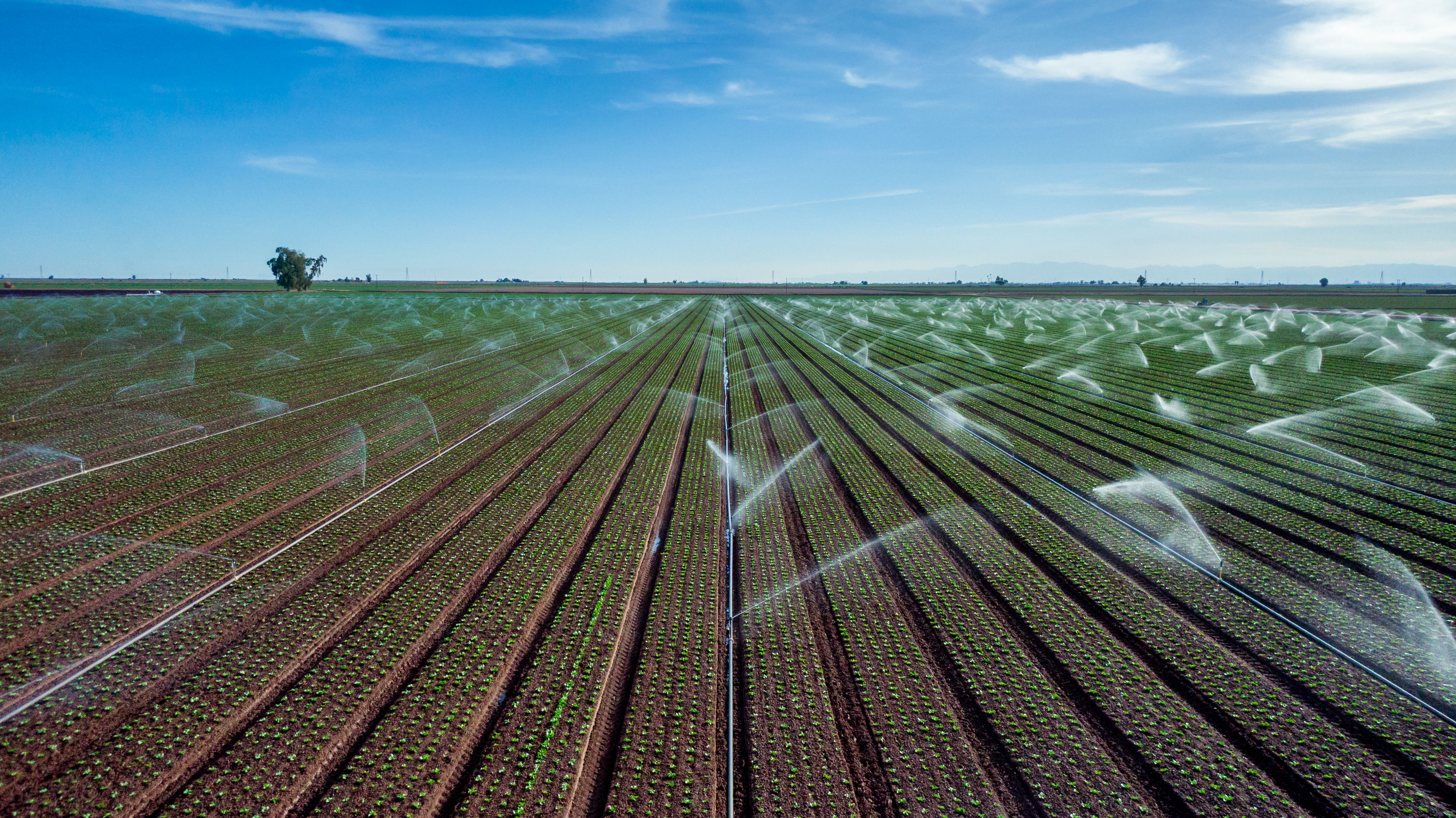
One of the most significant contributions of digital tools to agriculture is improved access to timely, actionable information. Farmers can now receive real-time updates on weather patterns, market prices, pest risks, and agronomic best practices through mobile platforms and digital advisory systems.
This access enables more informed production decisions, reduces losses, and improves yield outcomes—particularly for smallholder and cooperative-based farmers operating in climate-sensitive environments.
Beyond individual access, digital platforms are fostering farmer communities where experiences, insights, and innovations are shared. This collective intelligence strengthens adaptive capacity and accelerates adoption of improved practices at scale.
Precision Agriculture and Data-Driven Farming
Precision agriculture is redefining farm management by leveraging data and technology to optimize resource use at field and crop levels. Tools such as GPS mapping, remote sensing, and digital farm records allow farmers and institutions to monitor production with far greater accuracy.
By applying inputs based on real needs rather than assumptions, farmers can reduce waste, lower costs, and minimize environmental impact—key requirements for climate-smart and regenerative farming systems.
Satellite Imagery, Monitoring, and Early Detection
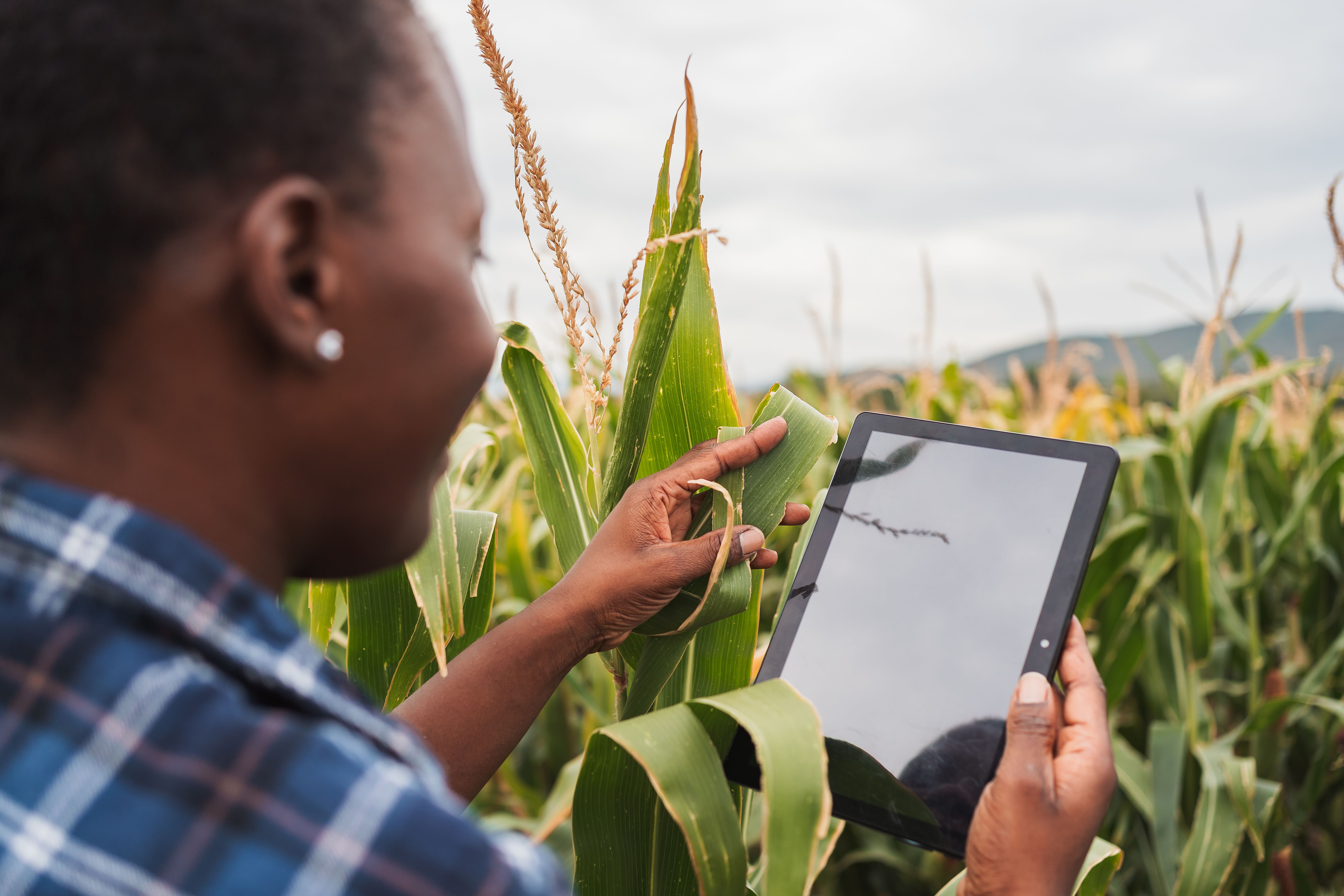
Satellite imagery and drone technologies now provide detailed, field-level insights into crop health, soil conditions, and stress indicators. These tools enable early detection of issues such as nutrient deficiencies, water stress, or pest pressure, allowing timely corrective action.
At the institutional level, these technologies also support monitoring, reporting, and verification (MRV)—a growing requirement for government programs, donor-funded projects, and climate-finance initiatives.
Platforms like AgroGreen FarmTrack™ integrate satellite data, field reports, and farm-level records to deliver structured monitoring, traceability, and performance intelligence across farms, cooperatives, and village clusters.
Financial Inclusion and Risk Management
Digital agriculture is also advancing financial inclusion for farmers. Mobile banking, digital wallets, and agri-fintech platforms are improving access to credit, savings, and insurance—critical tools for investing in productivity and managing risk.
For lenders, investors, and development partners, digital farm data enhances transparency and reduces risk by providing verifiable evidence of production activity, performance, and impact.

Access to Markets and Traceability
Digital tools are narrowing the gap between farmers and markets. Online marketplaces, digital aggregation platforms, and traceability systems allow producers to connect directly with buyers, processors, and exporters.
Traceability—once a barrier for smallholder farmers—is increasingly achievable through digital farm records and MRV systems. This opens access to premium markets, export channels, and institutional offtake arrangements.
AgroGreen’s FarmTrack™ platform supports this transition by enabling farm-level traceability, compliance reporting, and data-backed market linkage across CSV-P™ villages and cooperative networks.
Challenges and the Path Forward
Despite clear benefits, adoption challenges remain. Limited connectivity, digital literacy gaps, and affordability constraints can slow uptake—particularly in rural communities. Addressing these barriers requires coordinated action by governments, private sector actors, and development organizations.
Scalable solutions must combine technology with training, extension, and cooperative systems—ensuring that digital tools are accessible, practical, and aligned with local realities.
Conclusion: Building the Future of African Agriculture
The future of farming in Africa will be shaped by how effectively digital tools are integrated into production, markets, and governance systems. When combined with regenerative practices, cooperative organization, and market access, digital agriculture becomes a powerful engine for productivity, resilience, and inclusive growth.
Platforms such as AgroGreen FarmTrack™ demonstrate how data, MRV, and traceability can move beyond theory into practical, village-level implementation—supporting farmers, institutions, and investors alike in building sustainable, climate-smart agricultural systems.