Top Myths About Organic Farming in Nigeria: What Farmers Need to Know


Understanding Organic Farming in Nigeria
Organic farming is gaining popularity in Nigeria, but it is often surrounded by misconceptions that can deter farmers from adopting these practices. Understanding the truth behind these myths is crucial for making informed decisions about implementing organic methods.
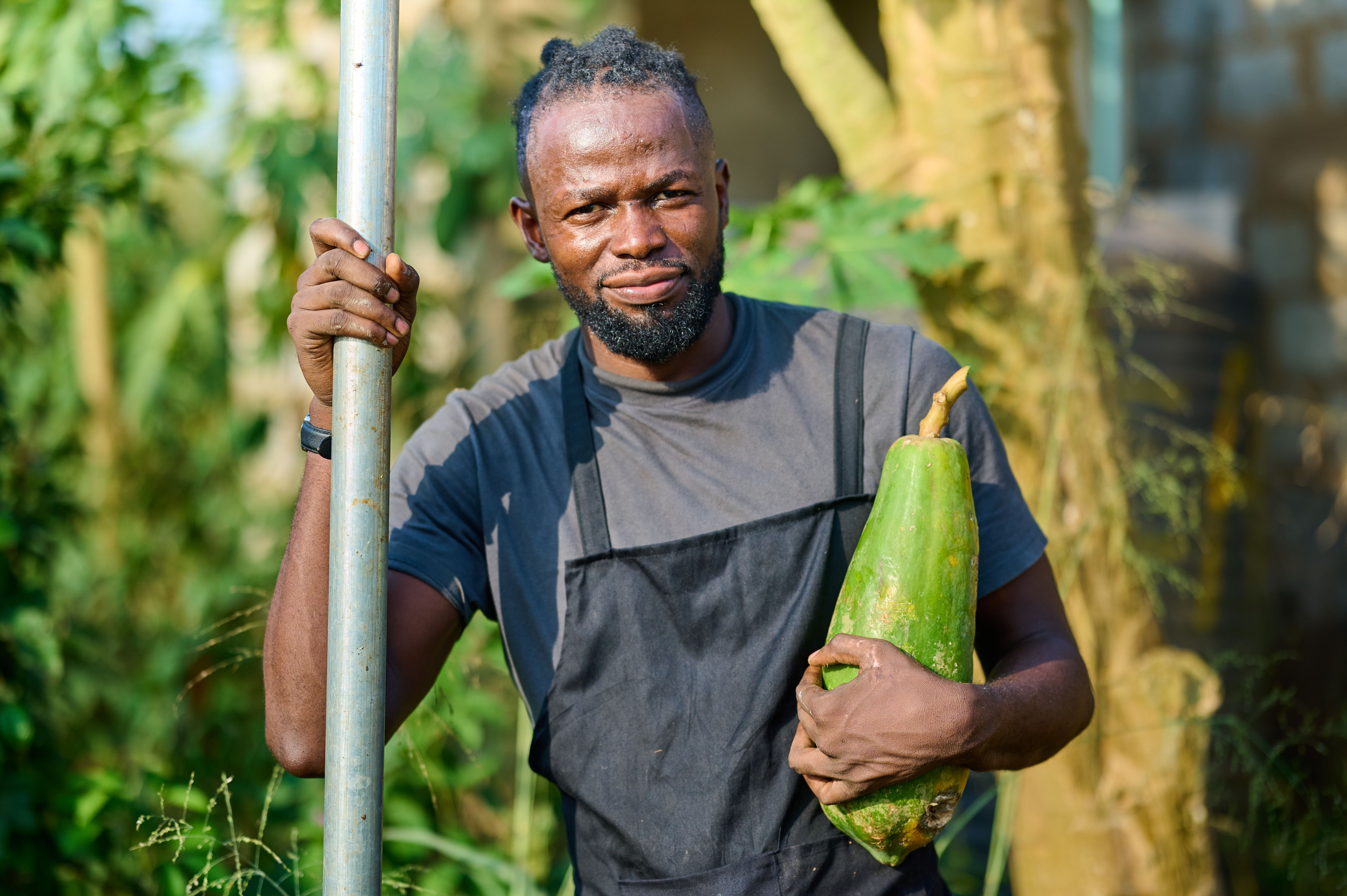
One of the predominant myths is that organic farming is simply a return to traditional methods. While it does incorporate some traditional practices, organic farming also employs modern techniques to enhance sustainability and productivity. It's a balanced approach that integrates the best of both worlds.
Myth 1: Organic Farming Yields Are Always Lower
A common misconception is that organic farming cannot produce yields comparable to conventional farming. In reality, organic farms can achieve competitive yields, especially when farmers become adept at managing organic systems. The key is understanding soil health, crop rotation, and organic pest management.
Studies have shown that over time, organic yields can match or even surpass conventional yields, particularly in drought conditions due to improved soil moisture retention. It’s essential for farmers to focus on long-term soil fertility and ecosystem health to see these benefits.
Myth 2: Organic Farming Is Too Expensive
Another myth is that organic farming is prohibitively expensive. While initial costs can be higher due to the need for certification and organic inputs, the long-term savings on synthetic pesticides and fertilizers can offset these costs. Moreover, organic products often command higher prices in the market, leading to better profit margins.
- Reduction in chemical input costs
- Higher market prices for organic produce
- Long-term soil health and productivity benefits
Myth 3: Organic Farming Is Only for Small-Scale Farms
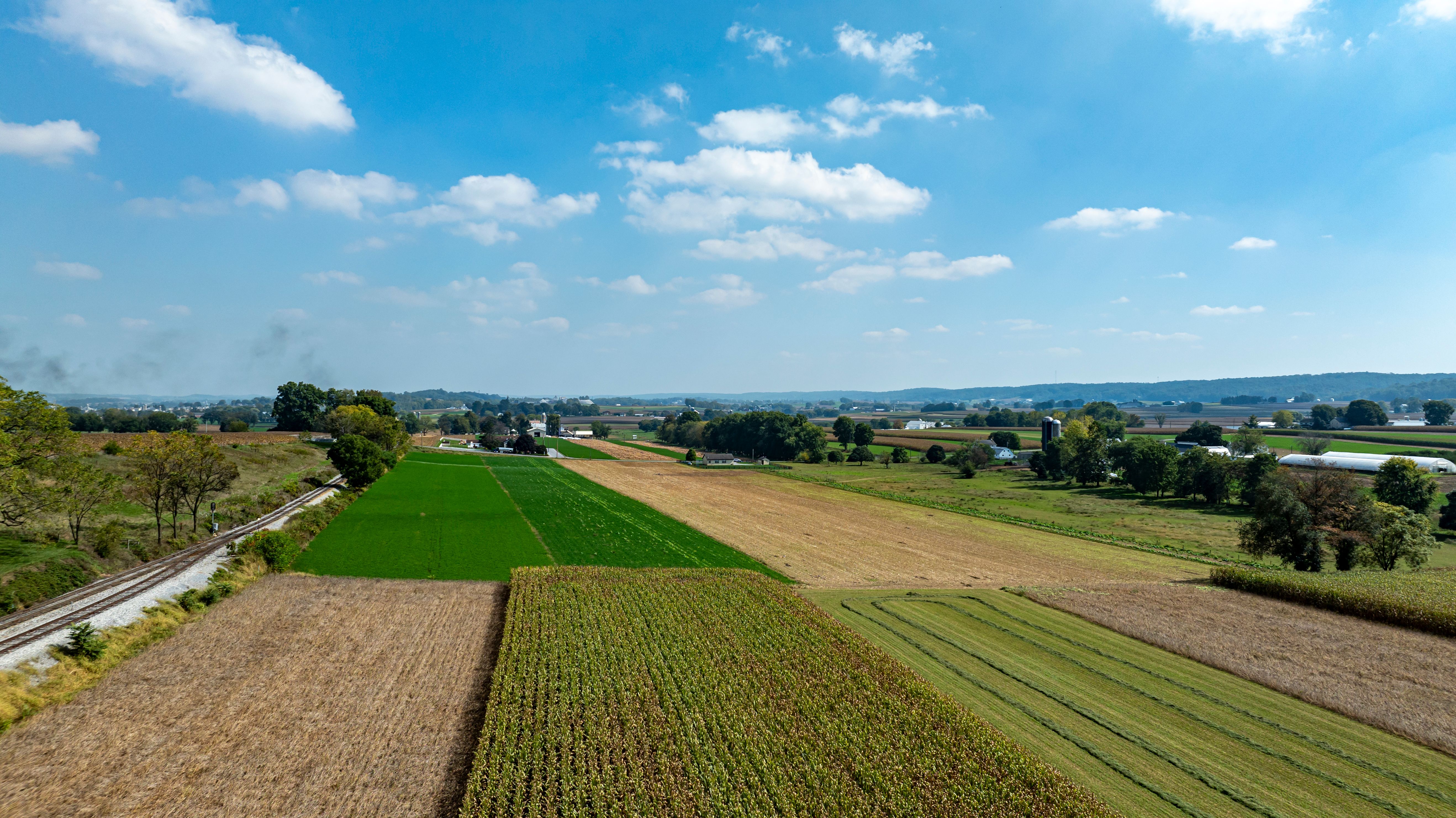
Many believe that organic farming is only feasible for small-scale operations. However, large-scale organic farms are increasingly common. The scalability of organic practices can bring significant benefits to larger operations, including reduced environmental impact and improved brand reputation.

Transitioning to organic farming requires careful planning and understanding of the specific practices that suit the farm's size and location. Whether small or large, any farm can benefit from adopting organic methodologies.
The Future of Organic Farming in Nigeria
The growing interest in organic farming is not just a trend; it represents a shift towards more sustainable and environmentally friendly agricultural practices. For Nigerian farmers, dispelling these myths and embracing the truths of organic farming can lead to a more sustainable and profitable future.
Education and support from agricultural organizations can help farmers transition smoothly, ensuring that they have the knowledge and resources needed to succeed. The potential for organic farming in Nigeria is immense, and understanding the reality behind the myths is the first step towards unlocking this potential.