Urban Farming Trends in Nigeria: How Cities Are Embracing Agriculture

Urban farming is becoming a significant trend in Nigeria, transforming cityscapes and offering fresh opportunities for economic growth, food security, and sustainability. As cities expand and populations increase, the need for innovative agricultural solutions has never been more crucial. This trend is reshaping urban environments, bringing agriculture closer to urban dwellers.
Why Urban Farming?
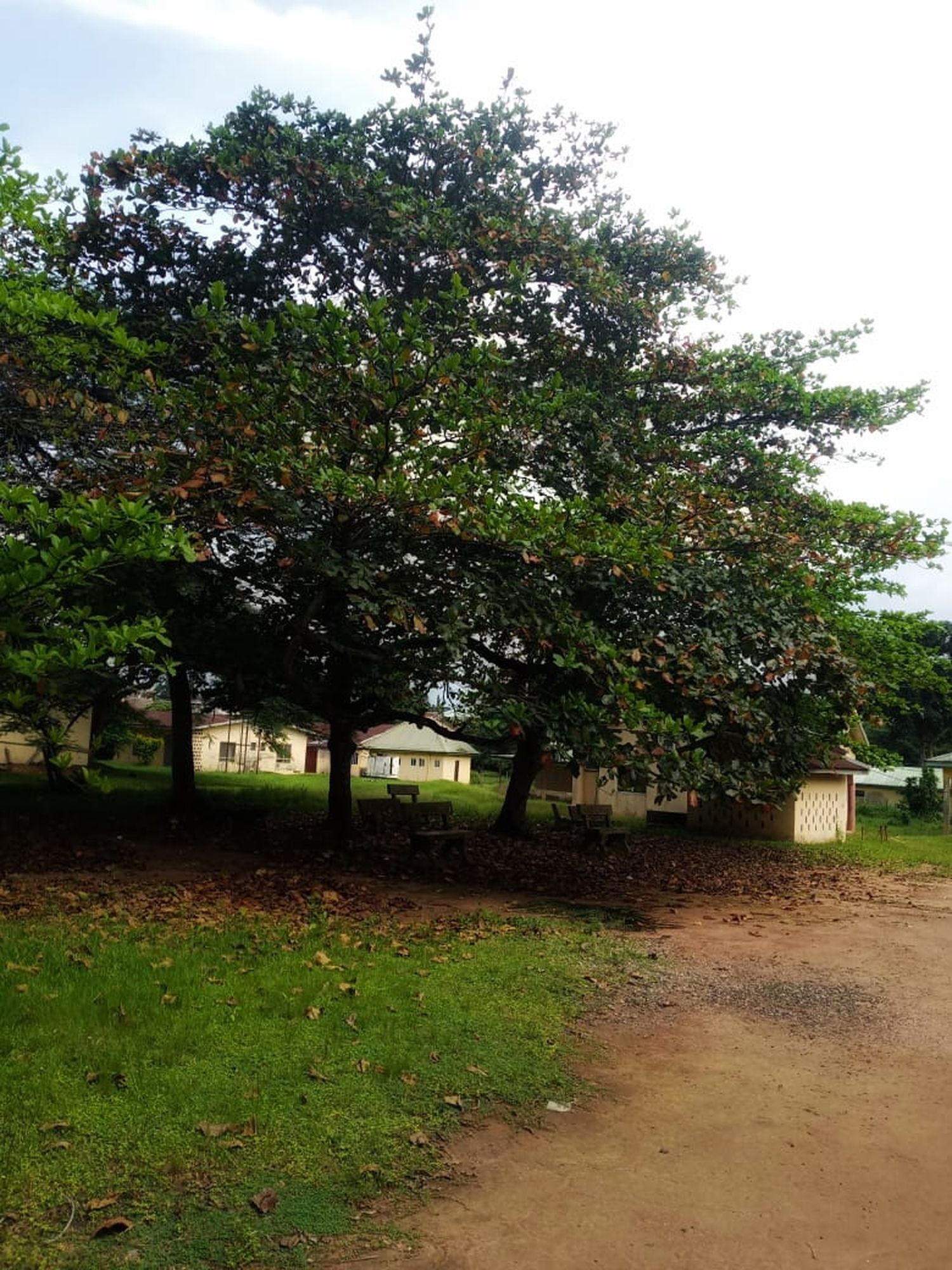
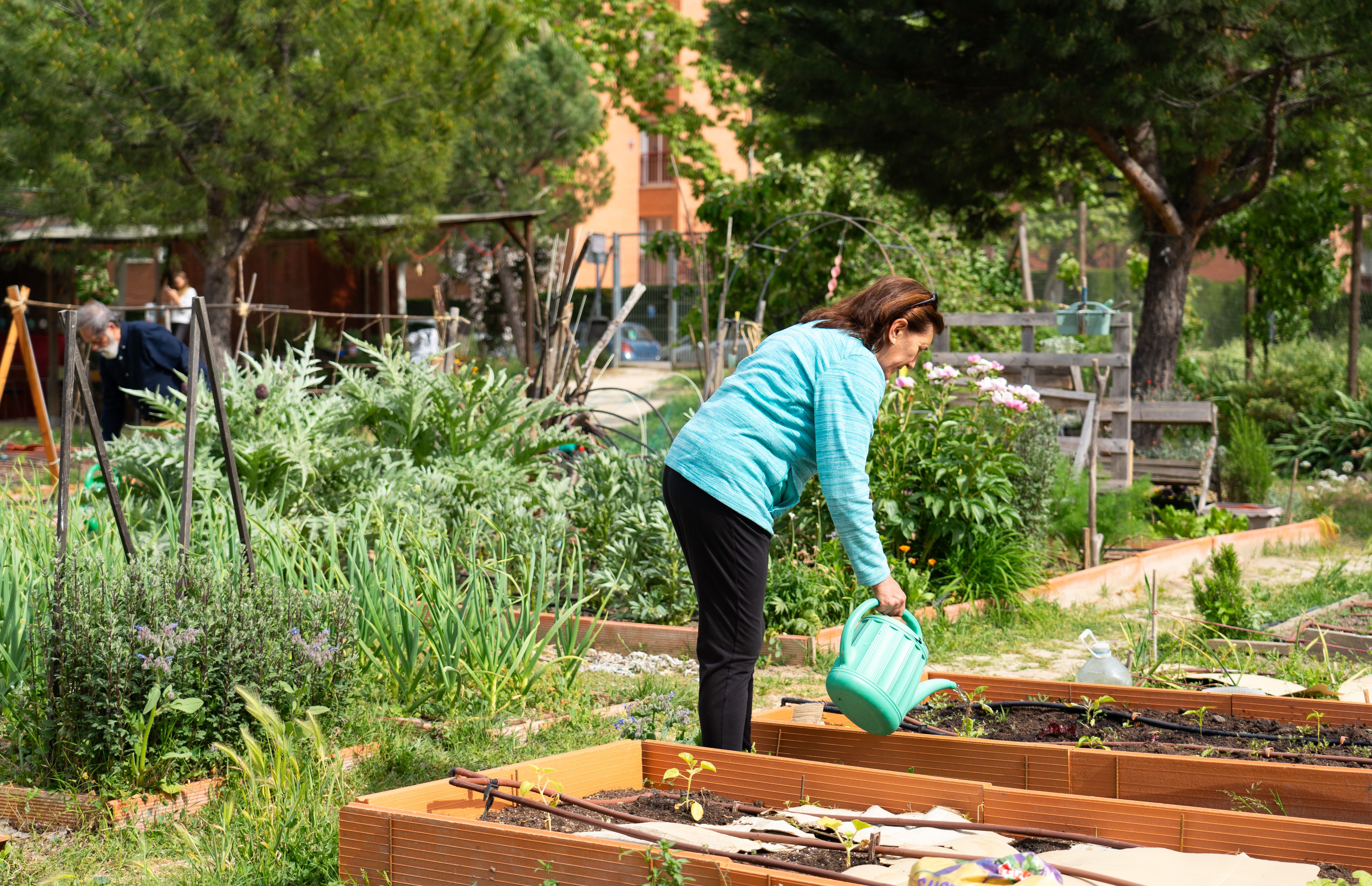
The rise of urban farming in Nigeria is driven by several factors. Rapid urbanization has led to a surge in demand for food, while available land for traditional farming is diminishing. Urban farming provides a way to utilize unused urban spaces such as rooftops, vacant lots, and community gardens to grow food. This approach not only enhances food security but also reduces transportation costs and carbon emissions associated with moving food from rural to urban areas.
Economic Opportunities
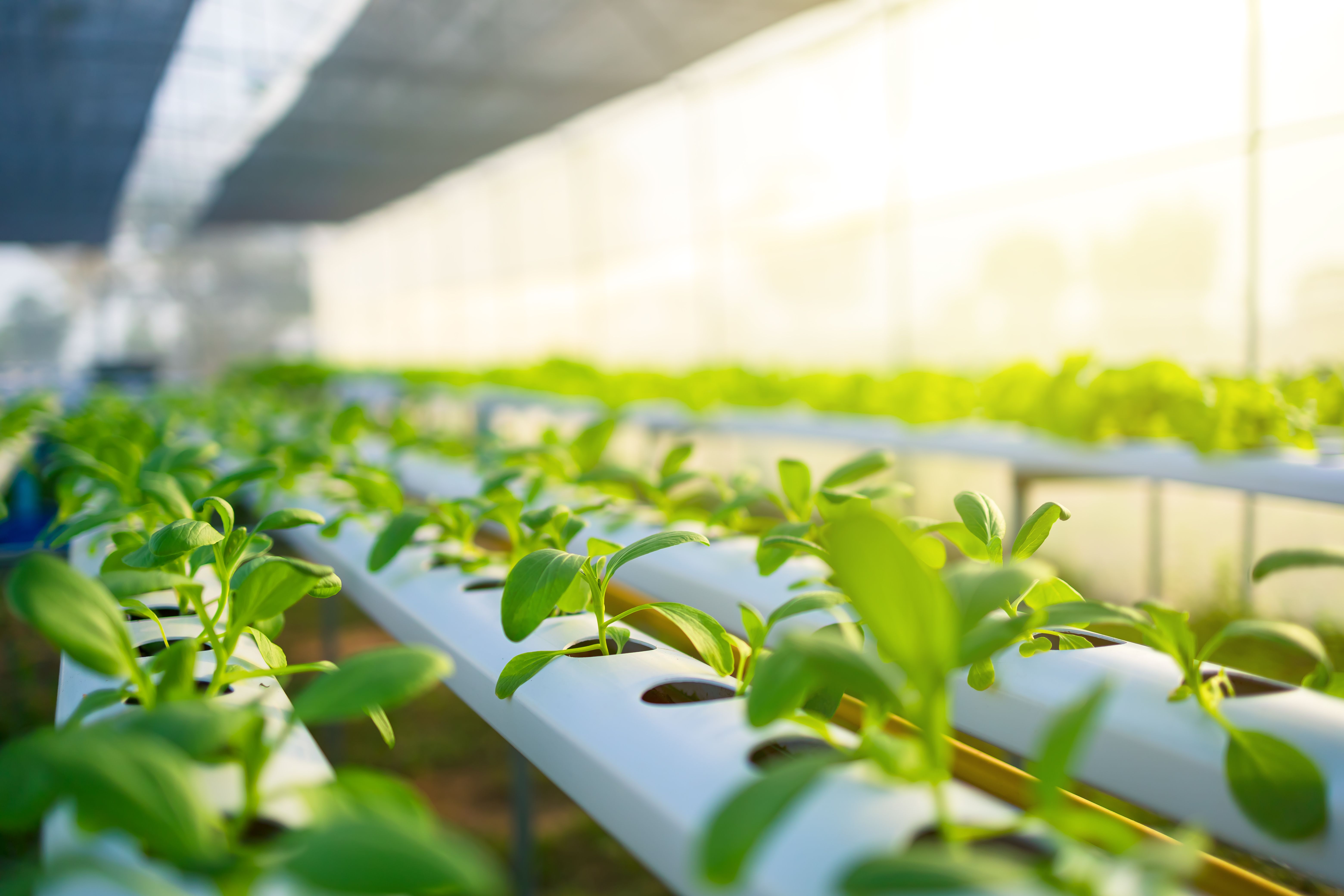
Urban farming is creating new economic opportunities for Nigerians. It offers potential for job creation, especially among youth and women, who are often at the forefront of these initiatives. Startups and small businesses are emerging, focusing on innovative farming techniques like hydroponics and vertical farming. These practices allow for high-yield production in limited spaces, making urban farming a viable business model.
Community Engagement and Education
Urban farming initiatives are fostering community engagement and education. Community gardens and urban farms serve as educational hubs where people can learn about sustainable agriculture and nutrition. Workshops and training sessions are frequently organized to teach residents how to grow their own food, promoting self-sufficiency and healthier eating habits.
Environmental Benefits
By integrating green spaces into urban settings, urban farming contributes to environmental sustainability. It helps reduce the urban heat island effect, improves air quality, and promotes biodiversity. Additionally, urban farms can help manage urban waste by utilizing composting methods to convert organic waste into valuable resources for farming.
Challenges and Solutions
Despite its benefits, urban farming in Nigeria faces challenges such as limited access to land, water scarcity, and regulatory hurdles. However, innovative solutions are emerging. Rainwater harvesting, efficient irrigation systems, and policy advocacy are helping address these issues. By collaborating with government bodies, NGOs, and private sectors, urban farmers are finding ways to overcome these obstacles.
The Future of Urban Farming in Nigeria
The future of urban farming in Nigeria looks promising. With continued support and innovation, urban farming can play a pivotal role in the country's agricultural landscape. It offers a sustainable pathway to address food insecurity, foster economic growth, and enhance urban resilience. As more cities embrace this trend, urban farming could become a cornerstone of Nigeria's sustainable development strategy.